- Hair loss is common and can happen at any age. It often results from disruptions in the hair growth cycle or conditions like androgenetic alopecia (pattern hair loss), affecting up to 85% of men and 33% of women.
- Common triggers for hair loss include genetics, hormonal changes, autoimmune disorders (e.g., alopecia areata), nutritional deficiencies, medications, illness, and stress.
- Hair loss diagnosis involves visual scalp assessments, hair pull/rub tests, blood tests for underlying health issues, and advanced scalp imaging like trichograms and Tricho-Analyzers—used at Ooosh!™ to personalise treatment plans.
- Medical treatment options include laser therapy (LLLT), Minoxidil, Finasteride, microneedling, PRP therapy, mesotherapy, hormone therapy, and hair transplants.
- At Ooosh!™, we offer natural, non-invasive hair regrowth solutions—no drugs, no surgery, no hormones. Our treatments use botanical products, advanced diagnostic tools, expert consultations, and holistic wellness guidance.
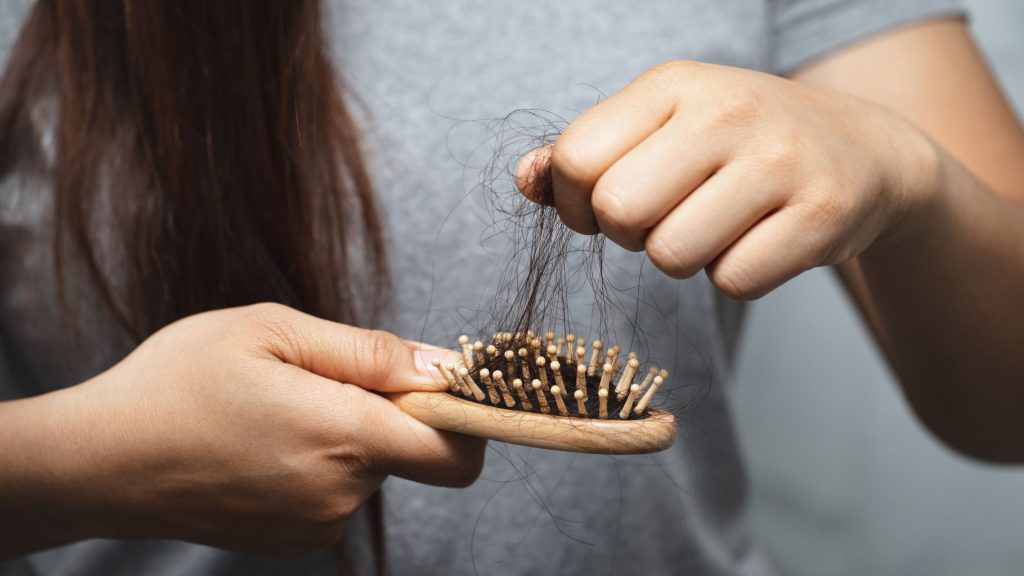
Hair loss is more common than you think—over 80% of men and more than 25% of women experience it at some point in their lives.
At Ooosh!™, we aim to raise awareness about scalp health—helping you understand the causes, debunk common myths, and explore solutions tailored to your hair and scalp needs.
What Is Hair Loss?
Hair loss can happen to anyone, at any stage of life, but it most commonly affects people as they age. While it’s normal to shed 50–100 hairs per day, excessive hair loss may signal a deeper issue—especially when new hair doesn’t grow back to replace it.
The most common type is androgenetic alopecia (AGA), also known as pattern hair loss. Around 85% of men and 33% of women are affected by this condition. AGA can impact the scalp or other areas of the body and usually progresses gradually.
Hair Growth Cycle
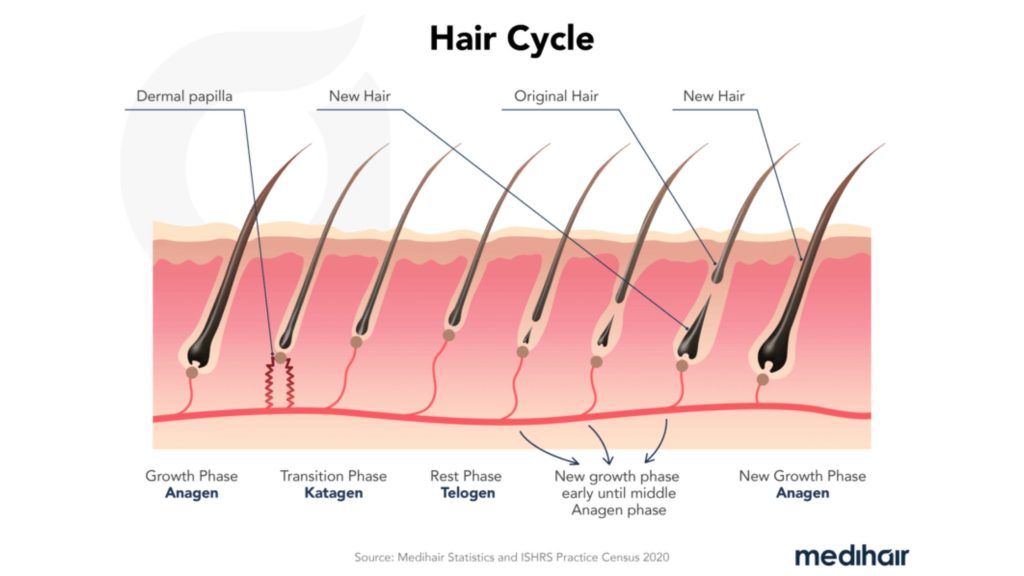
Hair grows in a cycle consisting of three phases:
- Anagen (Growth Phase): Lasts 2–6 years. About 85% of your hair is in this phase.
- Catagen (Transition Phase): A brief 2-week period where the hair follicle begins to shrink.
- Telogen (Resting/Loss Phase): Lasts around 3 months. Hair sheds and is pushed out by new growth.
Disruptions in this cycle can result in noticeable hair thinning or baldness.
Common Causes of Hair Loss
1. Male Pattern Hair Loss
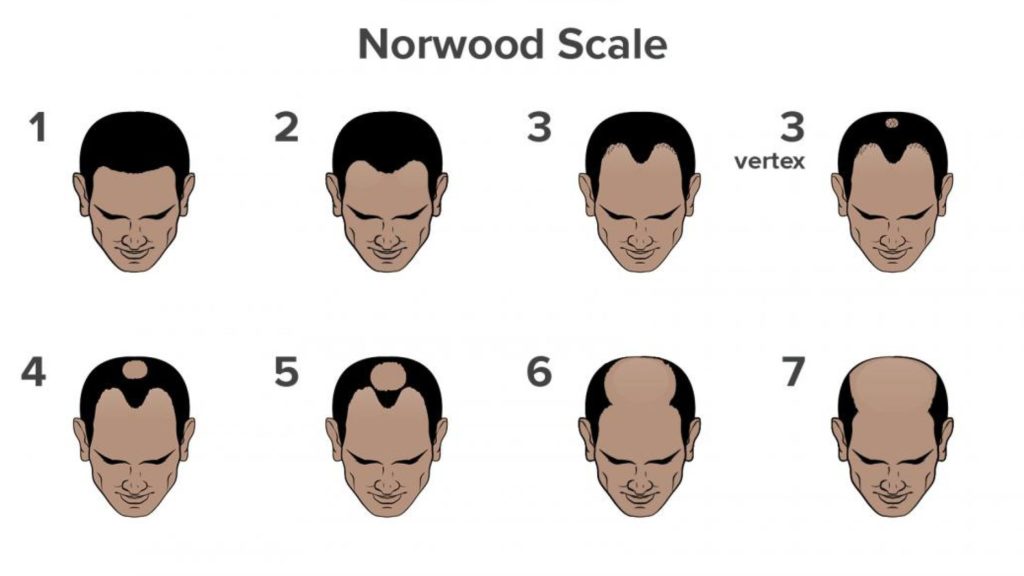
Also called hereditary or hormonal hair loss, this condition is driven by genetic sensitivity to DHT (a byproduct of testosterone). It typically starts with a receding hairline or thinning at the crown and can progress to more noticeable bald patches.
By age 70, nearly 80% of men are affected. The degree of hair loss is often measured using the Norwood Scale.
2. Female Pattern Hair Loss
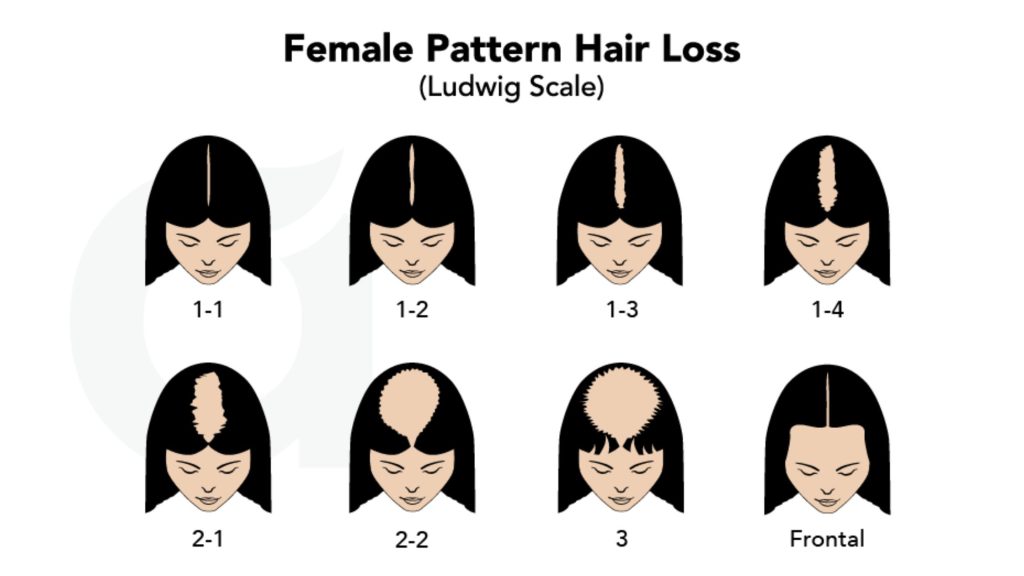
Though less widely recognized, women are not immune to AGA. Often beginning after age 30 or during menopause, it usually presents as thinning along the crown or a widening part line. While complete baldness in women is rare, the emotional impact can be significant.
3. Alopecia Areata (Circular Hair Loss)
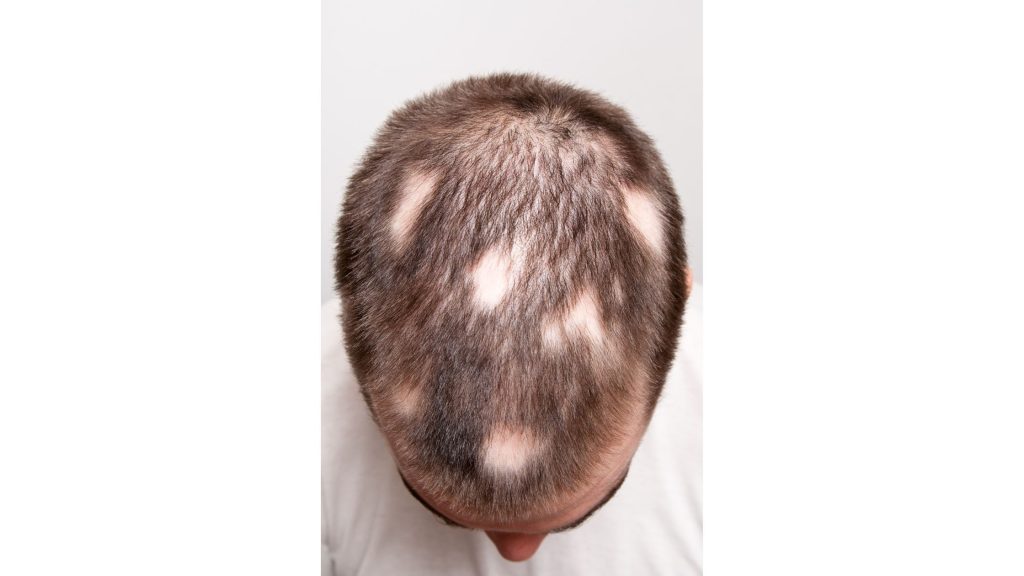
This autoimmune condition results in round, bald patches and can affect the scalp, eyebrows, or beard. While the exact cause remains unclear, genetics, stress, or immune system imbalances may contribute. Severe cases (Alopecia Universalis) can lead to total hair loss across the body.
4. Diffuse Hair Loss
Unlike patchy hair loss, diffuse hair loss causes uniform thinning across the scalp. It often becomes noticeable months after a triggering event such as illness, surgery, extreme stress, or dietary deficiencies.
Potential Triggers of Diffuse Hair Loss
- Health Conditions: Thyroid disorders, autoimmune diseases (e.g. lupus, Crohn’s), diabetes, or severe infections.
- Medications: Chemotherapy, blood pressure meds (beta blockers), antibiotics, retinoids, anticoagulants, and others.
- Radiation: Hair may regrow after mild radiation exposure, but high doses can lead to permanent loss.
- Hormonal Changes: Postpartum, menopause, or changes in contraceptive use can affect hair cycles.
- Nutritional Deficiencies: Lack of iron, protein, zinc, or vitamins (especially biotin) can weaken follicles.
- Stress & Trauma: Emotional distress, surgery, or sudden life changes can shock the hair cycle.
Hair Loss Myths—Debunked
Let’s set the record straight. These common beliefs are not supported by science:
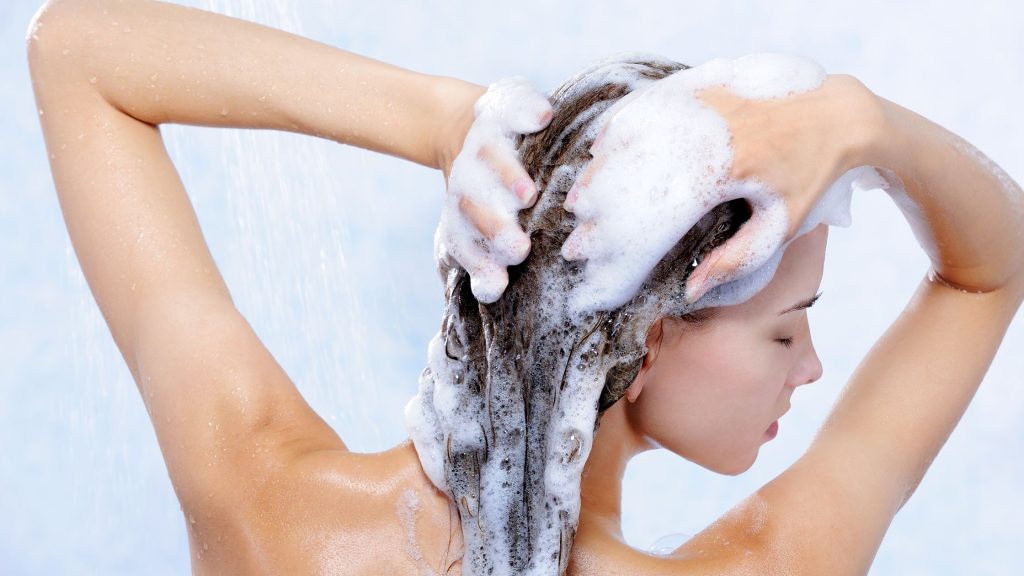
- Shampooing too often causes hair loss
- Wearing hats or helmets causes baldness
- Masturbation or high testosterone causes hair loss
- Your mother’s genes are the sole cause
- Creatine causes hair loss
While genetics play a role, hair loss is typically influenced by a combination of factors—including stress, hormones, diet, and scalp health.
How Hair Loss Is Diagnosed
Hair loss can be complex, and diagnosing the exact cause isn’t always straightforward. There are a few ways to diagnose hair loss.
Visual Assessment
Doctors or hair specialists often begin with a visual examination of your scalp and hair to look for clues:
Hair Parting Test
Your hair is parted under a bright light to check density, thickness, and scalp condition. In some cases, body hair may also be examined to rule out broader medical conditions.
Hair Rub Test
A few strands are gently rubbed between fingers to check for brittleness or structural damage—signs that your hair may be stressed or weakened.
Telogen Hair Test
The practitioner combs or pulls gently through your hair. If more than 10 hairs come loose with minimal resistance, this could signal an excess of “telogen” hairs (hairs in the resting/shedding phase).
These methods give an initial picture—but don’t provide the full story.
Blood Tests
Hair loss isn’t always skin deep. Internal health often plays a major role. This is why some professionals use blood tests to check for:
- Thyroid function
- Iron levels
- Hormonal imbalances
- Vitamin and nutrient deficiencies
- Autoimmune markers
These tests can uncover conditions that might be silently contributing to your hair loss—and they’re a vital step in creating a treatment plan that works for you.
Hair Root & Scalp Testing
Some more advanced tools may be used depending on your hair loss type:
Pluck (Epilation) Test
Hairs are gently pulled from different areas of the scalp. If multiple hairs come out easily from several spots, this could indicate pathological hair loss. It’s not conclusive, but it’s a useful flag for further testing.
Microscopic Hair Analysis (Trichogram)
Around 50 hairs are removed to study their roots under a microscope. This helps determine how many are in the growing (anagen) versus shedding (telogen) phase. In androgenetic alopecia (hereditary hair loss), you’ll often see a high percentage of hairs stuck in the resting phase.
Phototrichogram
Typically used in research settings, this involves shaving a small area of the scalp and tracking how the hairs grow over several days using high-resolution photography. It maps hair density and growth activity.
Trichoscan (Digital Hair Analysis)
One of the most modern (and pricier) options, this non-invasive method uses high-powered imaging and software to digitally measure hair density, growth rate, and the ratio of strong (terminal) to thin (vellus) hair. It’s highly accurate, but mostly used in specialist clinics or trials.
Some professionals may use a combination of more than one of the methods mentioned above to diagnose hair loss.
Diagnosing Hair Loss at Ooosh!™
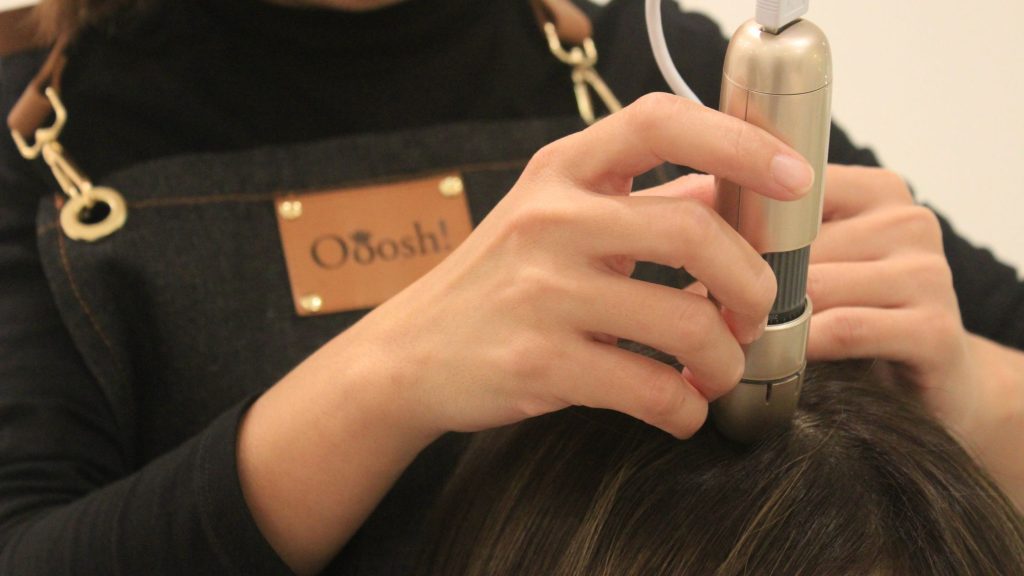
At Ooosh!™, we use a Tricho-Analyzer to perform detailed hair and scalp analysis. With its advanced video technology, adjustable 200x magnification, and high-resolution LCD monitor, the Tricho-Analyzer allows our experts to closely examine each customer’s hair condition. This enables us to create a personalized treatment program tailored to their specific needs.
Tips for Healthy Hair & Scalp
Lifestyle Choices
Hair reflects what’s happening in your body. We encourage:
- A nutrient-dense diet (e.g., leafy greens, oily fish, olive oil, nuts)
- Plenty of protein
- Hydration and quality sleep
- Reducing smoking, alcohol, and stress
- Regular physical activity
Your hair is made of keratin, a protein—so feeding your body with the right building blocks can make a visible difference.
Nutritional Support
Some nutrients are especially helpful in maintaining healthy follicles:
- Vitamin D3 – Low levels are strongly linked to hair loss. Supplementing (800–1000 IU daily) may help restore balance.
- Biotin (Vitamin B7) – Supports keratin production and strengthens hair and nails.
- Zinc – Maintains scalp health and may act as a natural DHT blocker, especially useful in hereditary hair loss.
- Iron – Essential for transporting oxygen to hair follicles. Deficiency is a common trigger for thinning.
- Ginseng & Caffeine – Known for improving scalp circulation and energizing hair follicles.

Medical Hair Loss Treatments
Here are some commonly used medical treatments for hair loss, and how they work.
Low-Level Laser Therapy (LLLT)
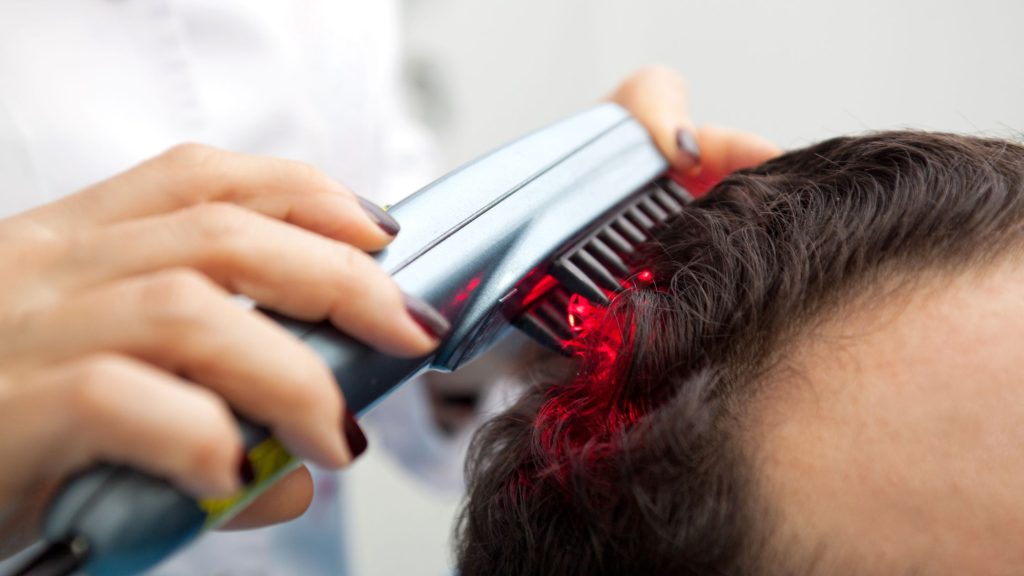
Low-Level Laser Therapy—also known as red light therapy—uses gentle laser caps to stimulate hair growth. This treatment is often recommended for genetic hair loss or post-chemotherapy hair thinning. The light energy targets hair follicle stem cells, supporting better hair density over time. While at-home devices are available, results typically require consistent use across multiple sessions.
Minoxidil (Regaine)
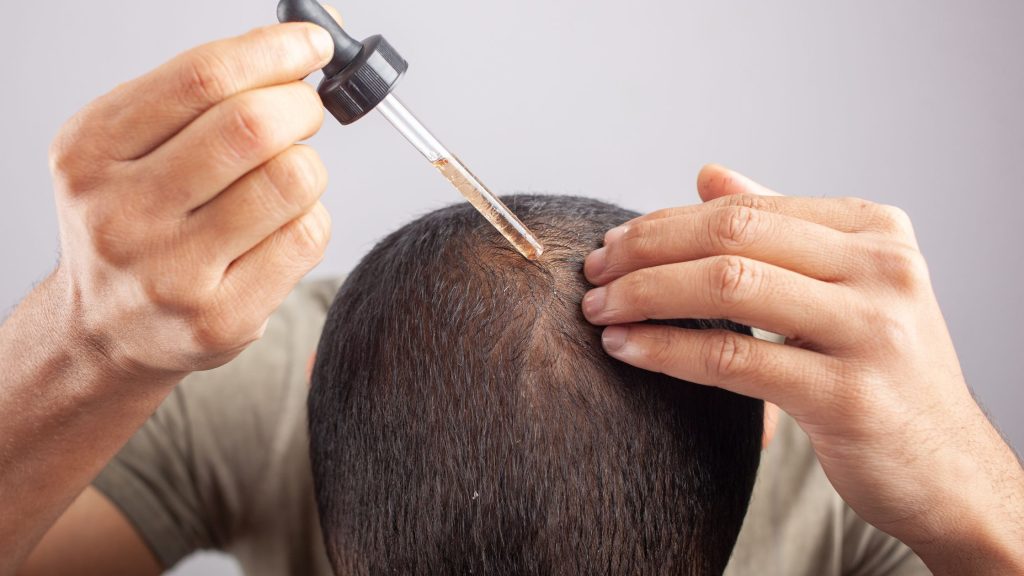
Minoxidil is an FDA-approved over-the-counter solution or foam that is applied directly to the scalp. According to the Mayo Clinic, around two-thirds of users experience some level of hair regrowth. However, possible side effects include scalp irritation, acne at the application site, and in rare cases, blurred vision or irregular heartbeat. Its effectiveness can be enhanced when used in conjunction with dermarolling (microneedling).
Finasteride (Propecia)
Finasteride is a prescription medication available in both oral and topical forms. It helps slow down hair loss and may encourage regrowth, especially in men under 60. It works by blocking DHT, a hormone linked to hair thinning. However, it’s important to note that finasteride is not suitable for women who are pregnant or planning to become pregnant due to its hormonal effects.

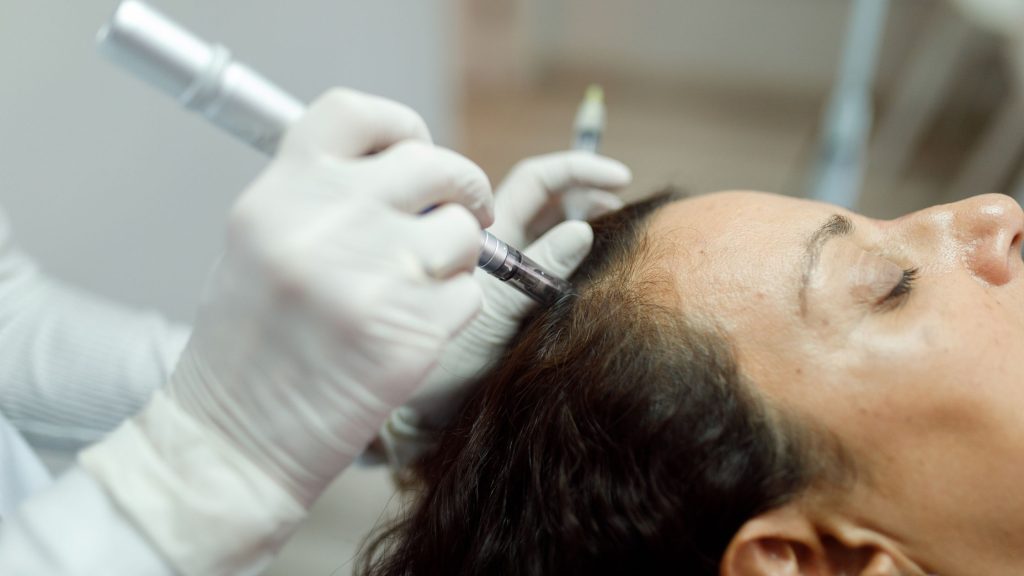
Microneedling for the Scalp
Originally used in skincare, microneedling has found its place in hair restoration. By creating tiny micro-injuries on the scalp, the body’s natural healing process is triggered—stimulating the production of proteins that support new hair follicle development. After four to six sessions, many individuals begin to notice visible improvements in hair density.
Platelet-Rich Plasma (PRP) Therapy
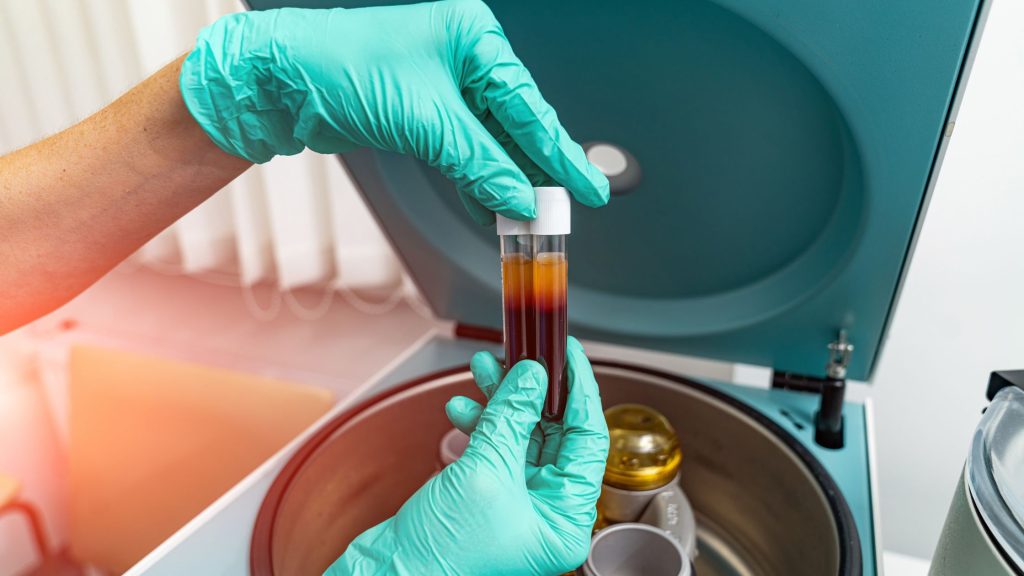
PRP therapy involves drawing a small amount of your blood, processing it to concentrate the platelets, and injecting it into the scalp. These platelets contain growth factors that support follicle activity. A 2017 study showed a 30% increase in hair growth among participants after four sessions.
Mesotherapy
Mesotherapy involves micro-injections of natural, nutrient-rich solutions into the scalp. It’s suitable for various types of hair loss—as long as the follicles are still active. While generally well tolerated, it may not be ideal for individuals with severe allergies.
Hormonal Treatments
In cases of hormone-related hair loss, doctors may prescribe anti-androgens or estrogen-based therapies. These treatments can be effective, but they must be carefully managed due to the potential for serious side effects. Always consult a healthcare professional before considering hormone therapy.
Hair Transplant Surgery
Hair transplantation involves relocating healthy hair follicles from one area of the scalp to another. It offers a permanent solution for genetic hair loss, with results that can look natural and last a lifetime. While effective, the procedure can be expensive, depending on the clinic and level of hair loss. Even celebrities like Elon Musk are known to have undergone hair restoration procedures.
Editor’s note:
At Ooosh!™, we take a holistic, non-invasive approach to hair regrowth—but we believe in informed choices. Whether you’re exploring natural solutions, supportive therapies, or advanced medical treatments, our goal is to guide you toward what works best for you.
How Ooosh!™ Can Help
Apart from medical hair loss treatments, there are natural alternatives.
We believe that it’s possible to take care of our health the right way.
For us, that means choosing long-term well-being over quick fixes. We never sacrifice health for looks—no surgeries, no invasive treatments, no pain, and no hormones. Just natural, healthy hair growth.
Ooosh!™ is a hair regrowth solution and our mission is to deliver sustainable, non-invasive and pain-free solutions for natural hair regrowth, specifically tailored to combat hair loss. To uphold this commitment, our range of hair growth products and supplements is exclusively crafted with 100% natural and botanical ingredients.
Our treatment involves a comprehensive approach to hair regrowth, encompassing consistent treatments at our center. Our method includes utilizing advanced tools like tricho-analyzers, fractional intense equipment, and thermal infrared refining mist. Additionally, we feature our patented Ooosh!™-developed scalp masks, expert consultations, customized nutritional supplements, and an emphasis on adopting a healthy lifestyle. We prioritize education to enhance knowledge and build a well-informed community.
Since our founding in Singapore in 2009, Ooosh!™ has been offering safe, natural, and non-invasive hair growth solutions worldwide. With branches in Singapore, Malaysia, and Thailand, we’ve expanded our offerings beyond hair loss to address a range of scalp issues. We are proud to have built a global community of satisfied customers, providing both hope and tangible results.
Whether you’re at the beginning stages or further along in your hair loss journey, early intervention can make all the difference. Our professional consultants are here to help you understand what’s happening and explore your options.
Drop by for a free scalp analysis and let’s take the first step—together.