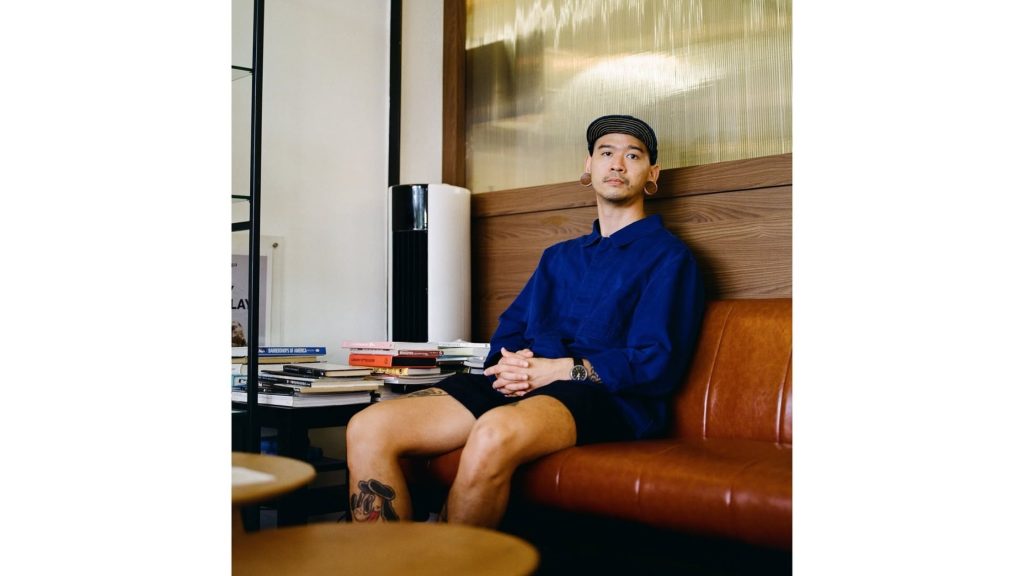
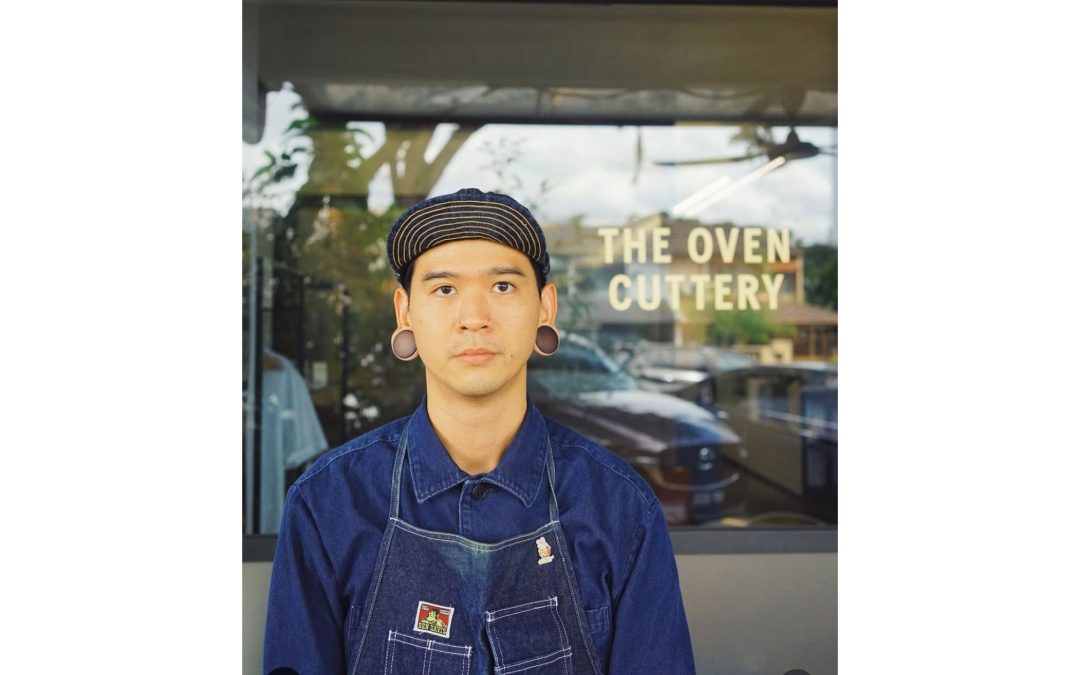
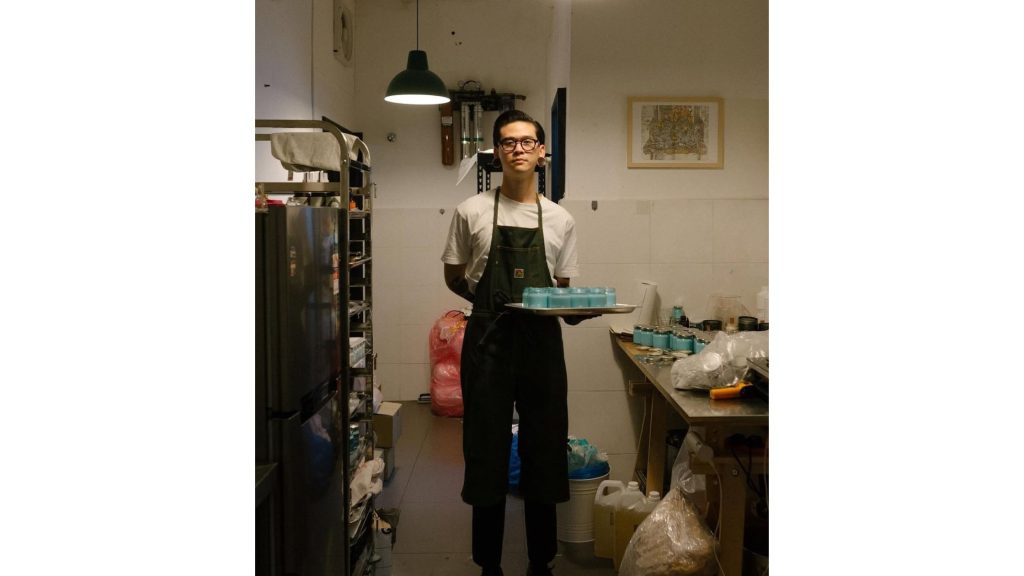
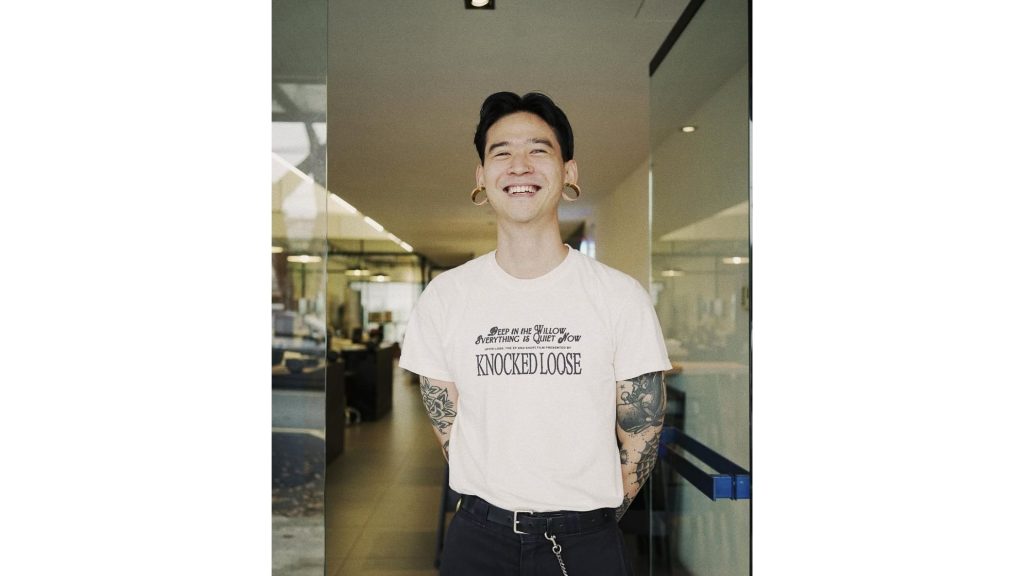
My name is Kevin. I’m a barber, and I also create hair-grooming products. I’m a musician too—I’ve always been drawn to creative work.
If you ask me about passion, music sits right at the top. I don’t think I could ever do a job that doesn’t allow me to play music in some way. I love creating—whether it’s cutting hair, serving customers, or developing hair products. I enjoy the art of service and the satisfaction of seeing ideas turn into something real.
Photography is another passion of mine. So is tennis—I play regularly and really enjoy it. I’m quite a simple person, actually. I stick to the things I love, and I pour my energy into them.
Just don’t get me to do administrative work—scheduling, punctuality, that kind of thing. I’m not very good at those.
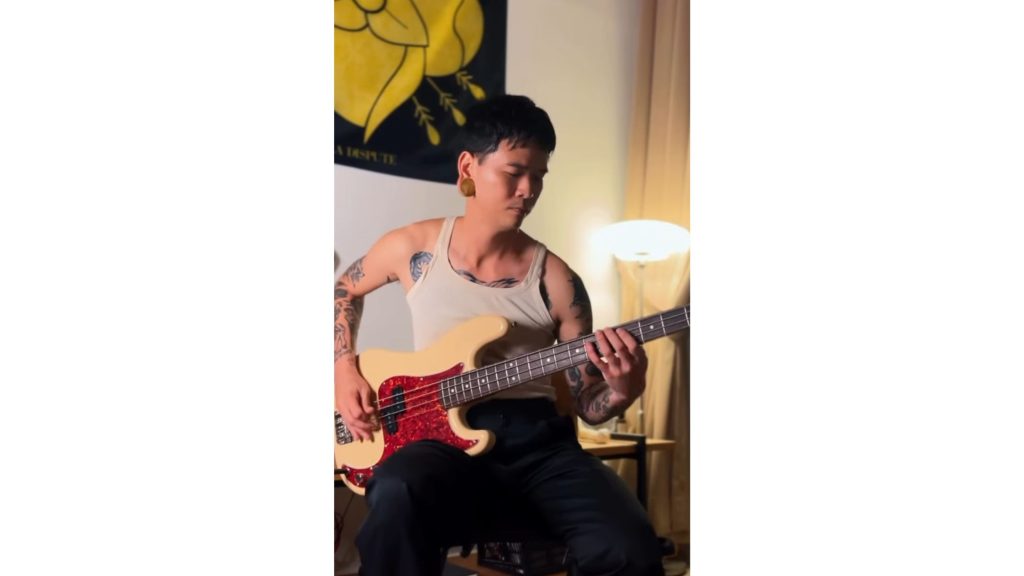
Before I even became a barber, I was already making pomades and hair products. It started with music. Being onstage, I learned quickly how important the right hair products were—not just for looks, but for confidence. That naturally drew me into pomade and styling.
When I eventually started barbering, it felt like an extension of performing. From the moment a client sits in the chair, it’s almost like a show. You greet them, consult them, guide them through the process. There’s a rhythm to it. You want to be professional, confident, and present. For me, hairstyling, making hair products, and cutting hair all go hand in hand—they’re all part of the same creative language.
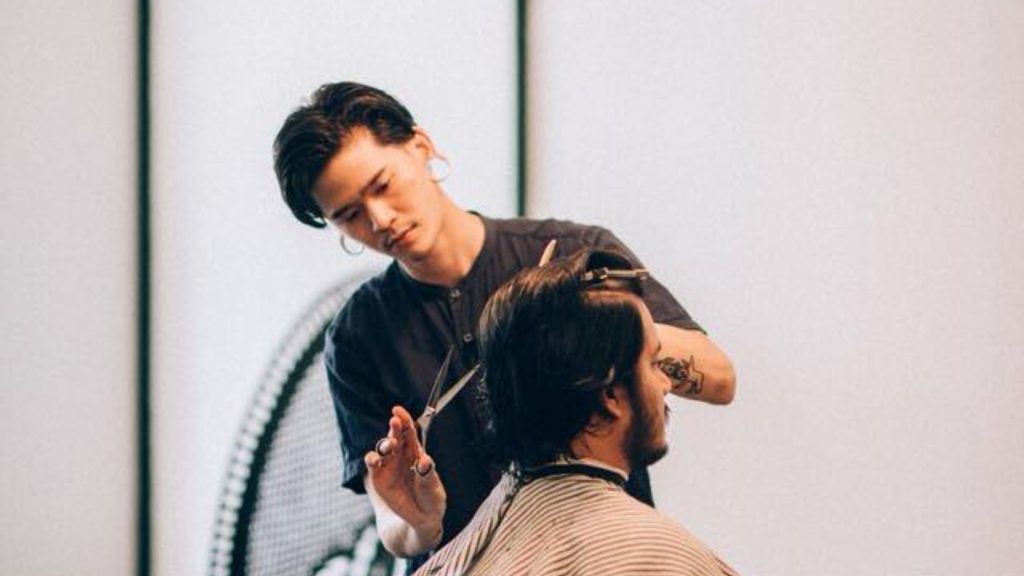
Then I started noticing hair loss. I started noticing it very gradually—about five years ago. It was slow at first, almost unnoticeable. But over the past four years, it became more apparent. I kept telling myself, “It’s not that bad, I can still comb it over.” My dad has the same receding hairline pattern, so I always assumed it was something that would happen to me eventually.
My hair loss was more noticeable on my left side, partly because I constantly push my hair to the right with a lot of tension. Over time, that habit definitely made things worse. And for someone whose entire journey began with styling hair, that hit differently. I couldn’t style my hair the way I wanted anymore—whether it was for being onstage, grooming myself for clients, or just looking in the mirror and wanting a clean side part.
The biggest struggle was my receding hairline around the corners—what we call the parietal ridge in hairdressing. It’s a critical area because it separates the top from the sides and determines how a haircut is structured. When that area starts thinning, it affects everything. Styles like side parts or pompadours, where the hair is pushed up or back, suddenly make the recession more obvious. The finer hair didn’t have enough density to hold, my scalp became more visible, and I found myself compensating by using more and more products, constantly pushing and adjusting my hair.
At first, it wasn’t severe enough to feel like I was going to lose all my hair. But day to day, it became frustrating. The hardest part of hair loss for me was losing the ability to style my hair the way I wanted—to express myself. Most of the hairstyles I love are classic styles, and they rely heavily on products to hold everything together.
As my hair became finer, the strands started to separate more easily. Any gaps or thinning areas became more obvious, especially once the product was applied. I couldn’t wear the hairstyles I loved anymore. Shorter styles like crops or quiffs made it even more obvious—there was nothing to hide behind. I tried to adapt, making do with different styles and workarounds, but it’s no longer the same as it was.
And then came the moment of realization. My barbers started teasing me—which is totally normal in our culture. We roast each other all the time. They’d joke, “Eh bro, that part’s losing hair very badly.” And that’s when it really hit me. It wasn’t just something I was seeing up close in the mirror. If someone standing a table away could notice it, that meant it was obvious.
That was the point I knew my hair loss wasn’t just in my head—it was real, and it was progressing.
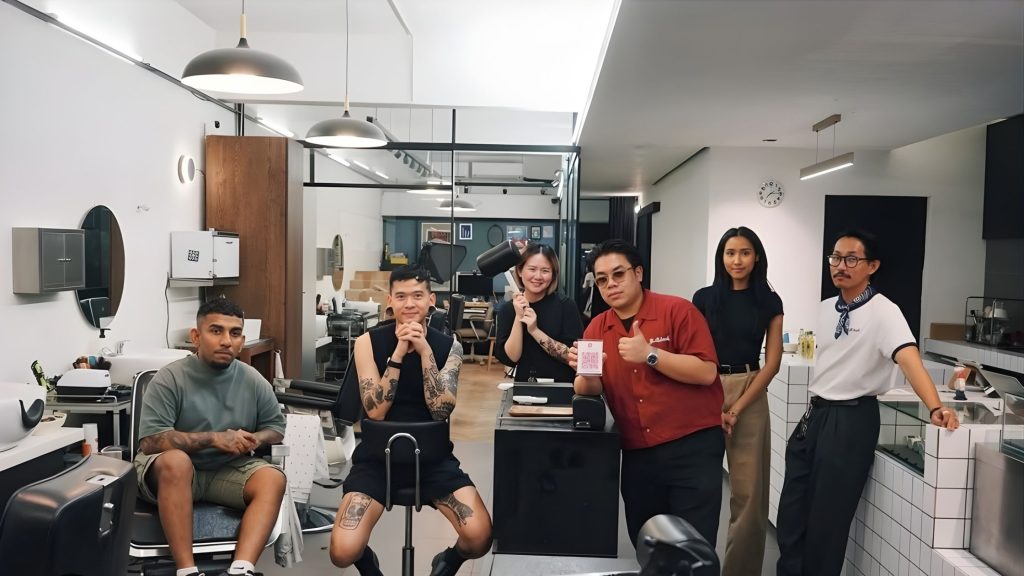
At first, I wasn’t too worried. I told myself, worst-case scenario—I go bald. I was okay with that. Because from a hairdresser’s perspective, you learn that pulling off a bald look depends a lot on head shape and facial structure. I think I could look alright if I were bald. But the truth is, some people just look better with hair. Not everyone can pull off the bald look like The Rock or Vin Diesel—and that’s okay.
But then reality kicked in. My career revolves around hair. I make hair products. I cut hair for a living. Hair loss directly affects my personal brand. I love hairstyling, and I take pride in how I style my hair. People often ask me what products I use, and some even use my own hairstyle as a reference when they sit in my chair—they’ll show me a photo of me and say, “I want this.” I realized that if my hair loss reached the point where I had to go bald, my career just wouldn’t feel the same anymore.
And if my hair kept thinning, I’d be limited to certain hairstyles. The idea of not being able to do that for myself, while styling it for others, didn’t sit well with me. I think I’d end up feeling a little jealous of the people I was cutting hair for—realizing that I would not be able to do that for myself if I continued to lose hair.
More than that, it would feel strange selling hair products while not having hair myself. I formulate all my products from scratch using our own ingredients. They’re natural, scalp-friendly, and designed to minimize irritation and hair loss. Of course, everyone’s scalp is different, and people react differently—but we always aim to make them as healthy as possible. And I’m always the first person to test them. I want to wear them, style my hair in five different ways, and really evaluate how the product performs across different looks.
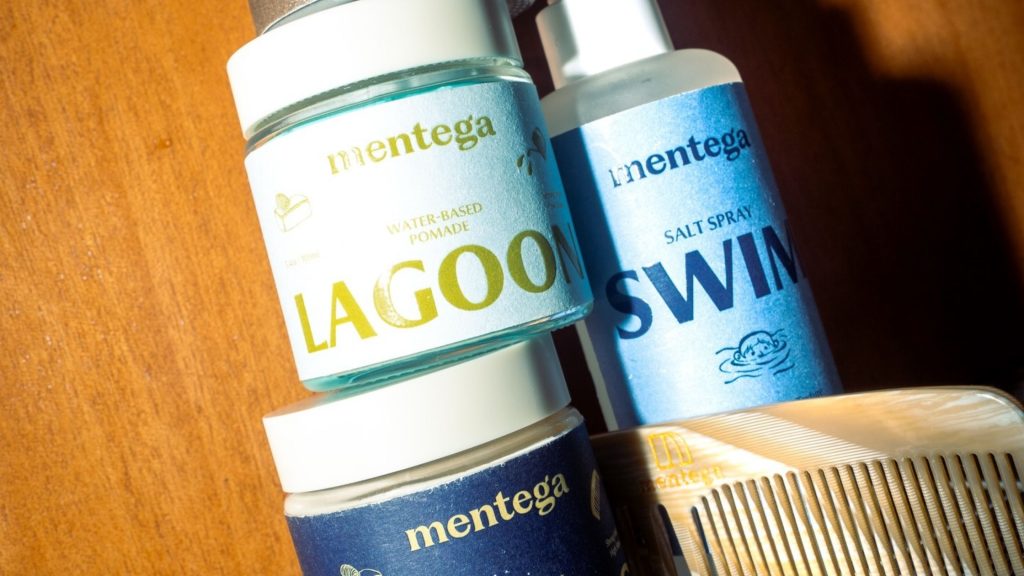
So without hair, it’s almost like selling sneakers without having feet. I’m not saying you can’t sell shoes without feet—there’s nothing wrong with that—but someone might still ask, “Have you actually worn them?” With hair loss, it’s not just about customer confidence—I wouldn’t even be able to properly use or test my own products. And that was the turning point for me. That’s when I knew I had to do something about it.
It was quite timely, because Abel (Director of Ooosh!™ Malaysia), whom I know personally, opened Ooosh!™ KL and that was when I got in touch with Ooosh!™.
He invited me in for a trial session, so I went, and I got to see the results from people who had already gone through the treatment. What really made me stop and think was how honest they were about what to expect.
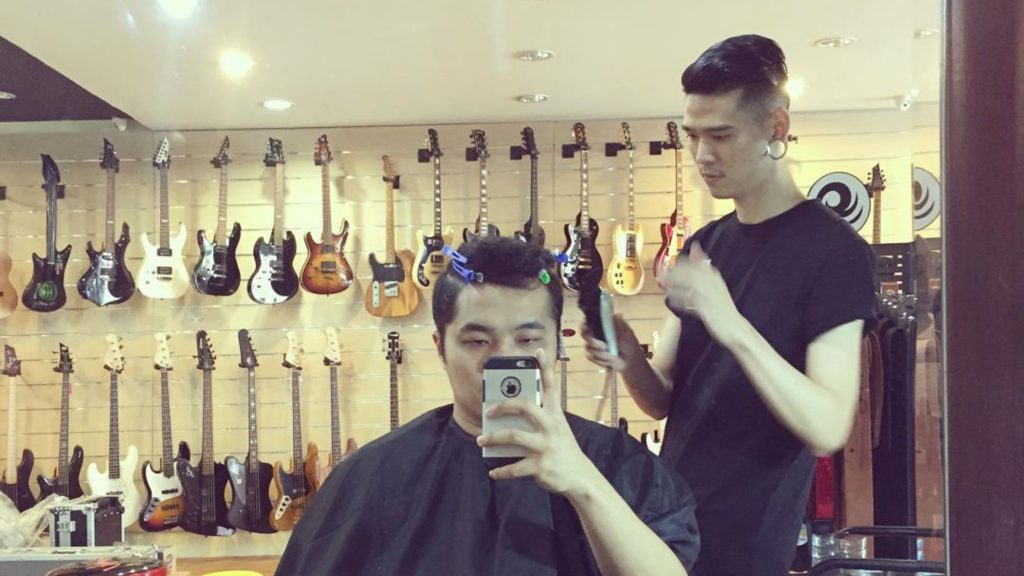
They explained that hair loss at the crown responds faster, while hairline loss at the front is more challenging and takes longer. That kind of honesty mattered to me. If someone promises you the moon, it actually makes you trust them less, not more.
They also helped me manage my expectations. For example, if I started with 100% hair and had lost it down to about 60–70%, realistically I might only regain up to 80%. And honestly, because my hair loss happened so gradually—over about five years—from 100% down to 60–70%, getting back to where I was just two years ago would already make me happy because at that point, I could still style my hair properly.
Knowing that helped me understand exactly what I was signing up for. They were also upfront about the cost and how long the treatment would take, which really helped me plan ahead. I could spread it out financially and commit to it properly, knowing I was investing in about six months of treatment.
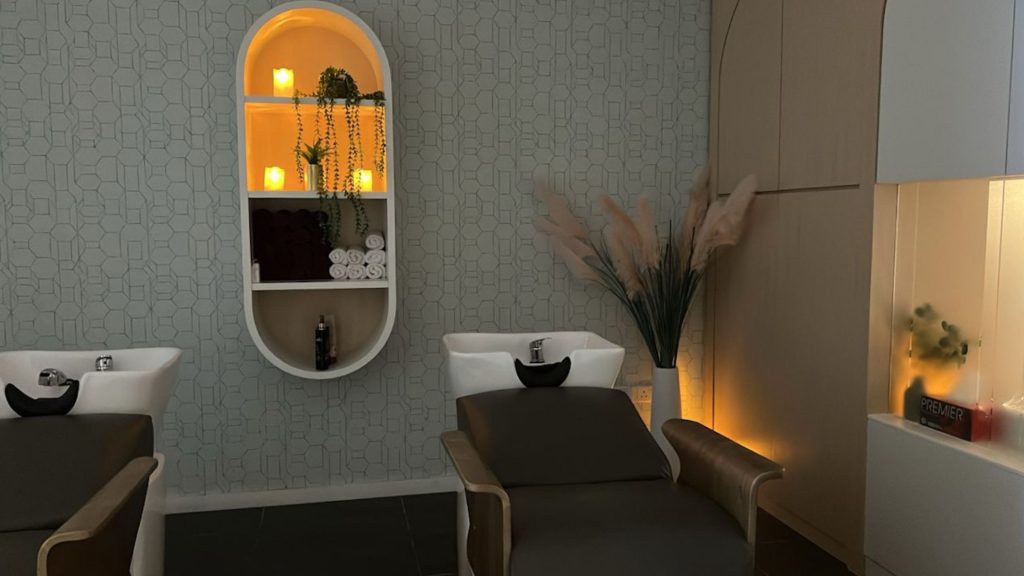
Another thing that really helped me make my decision was how non-invasive the treatment is. It’s a once-a-week session using natural masks, along with natural supplements. Because it’s all natural, there are barely any side effects. The only “side effect” I’ve noticed is a bit more hair on my face, arms, legs, and underarms. It’s minor, but it shows the treatment is working naturally.
I liked that I could taper it down over time and wouldn’t have to visit the center constantly. That’s different from other treatments where the moment you stop, you lose your hair again. To me, that’s not a solution—it’s just prevention. I wanted a lifestyle approach, something sustainable, and that really convinced me.
Another critical point for me was timing. I asked myself, “Do I wait until it gets worse, when there’s less I can do, or do I start now?” I decided to start now. If I waited until my hair dropped to 30%, then Ooosh!™ might only help me regain 60%. But starting when I’m at 60–70% means I can realistically regain up to 90%.
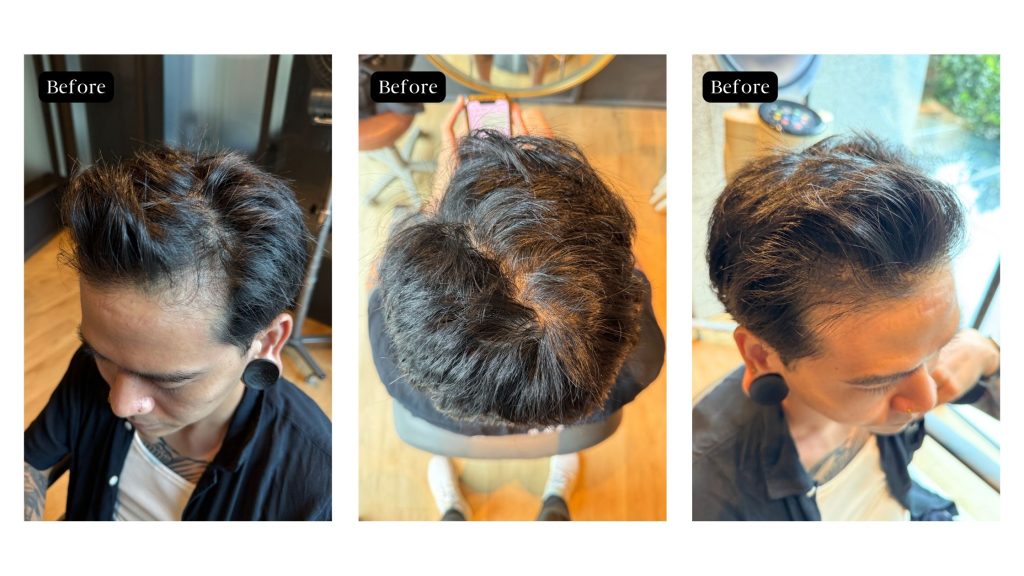
After my hair started regrowing, I have to admit—I’m kind of taking it for granted. I’ve been on the Ooosh!™ treatment for eight months now. The consultants told me it would take a little longer, and the progress was slow and gradual. I first started noticing results around the three-month mark, but initially, the difference was only visible under a microscope—it couldn’t be seen with the naked eye.
But now it’s grown to the point where my hair density can be seen with the naked eye. I find myself taking things for granted and having to constantly remind myself that I’m still on treatment and I need to be disciplined.
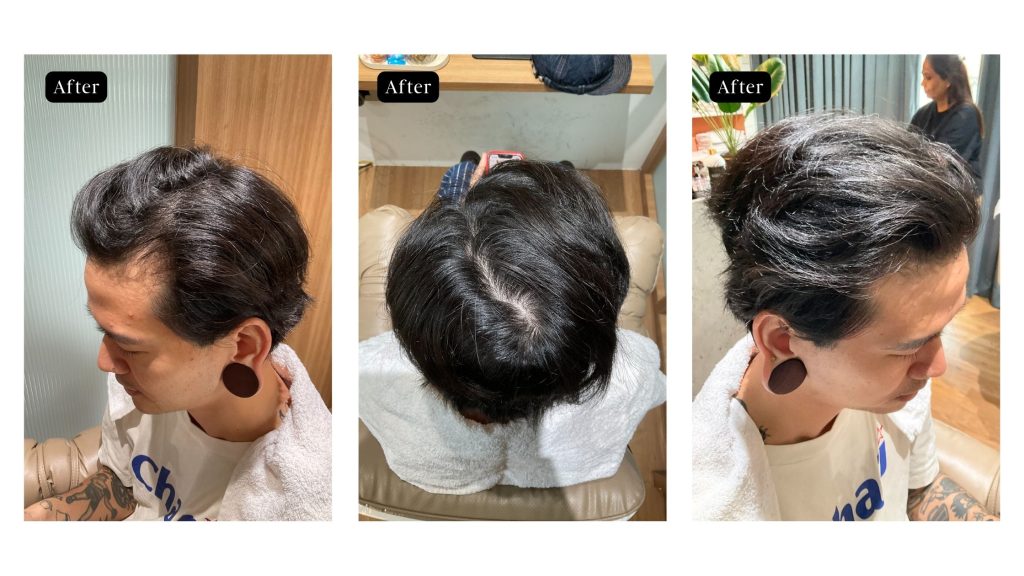
Honestly, I feel spoiled. I’m not going to give you the typical answers like, “I’m a changed man” or “I feel amazing.” No—I feel spoiled, and I really shouldn’t be taking my hair for granted… but I kind of am.
What do I mean by feeling spoiled? Well, I style my hair like I used to. I don’t wonder if I have enough hair in certain areas, and I don’t need to adjust for thinner spots or missing hair. Now, I just style it however I like. I don’t even consciously think about what’s happening. I don’t think about the hair that was once thin or lost.
It’s almost like having so much money that you don’t need to think about how you’re spending it. It’s like I was extremely rich, then lost all my money and had to stress about every cent—and now I’ve gotten so much back that I’m like, “Oh… what is money?”
Ooosh!™ really delivered results, but I know I still need to stay disciplined. The process has also taught me to be more mindful of stress, sleep, and nutrition. I’ve realized that if I’m stressed or not taking care of myself while on treatment, it can actually be counterproductive.
Before Ooosh!™, I tried a few self-remedy solutions. I used hair tonics for a few months, but I wasn’t very diligent, and they didn’t really do much. I also tried hair serums specifically for hair growth. With the serum, I noticed that hair loss stopped—but nothing really grew back. Once I stopped using it, the hair loss would continue. So while it helped maintain the status quo, it wasn’t a real solution.
I also looked into Minoxidil, but after some research, I realized it works only as long as you keep using it consistently. If I missed a day—or a few days—my hair would just keep thinning. That wasn’t a practical option for me, especially since I knew I wasn’t that disciplined.
Then there’s hair transplant. I saw firsthand from my clients that transplanted hair grows differently from natural hair, because you’re putting different hairs on where hair was lost. It looks and feels different, and if your scalp isn’t healthy, the transplanted hair can fall out within a year. It’s like planting seeds on infertile soil—they won’t grow. Plus, the cost is huge. I didn’t want to spend that kind of money if it wouldn’t solve the underlying problem.
So when I spoke to Raymond, my Ooosh!™ consultant, I felt reassured. He explained that missing a day or two of supplements isn’t a big deal, as long as it’s not two weeks straight. That flexibility felt realistic for me, and I realized Ooosh!™ was a solution that could actually work with my lifestyle and discipline level.

If you’re losing hair and it’s starting to affect your daily life—like you can’t style it the way you want, your hair lacks volume, or it won’t go in the direction you want—that’s already a strong indication of hair loss.
I think there’s a natural skepticism around hair growth—people wonder, Will it really work? How much will it cost? What’s the upkeep like? Are there side effects? Can I even afford it?
But I just want to encourage anyone who’s losing hair and feeling frustrated: go get it checked. I was the same—I waited until I noticed it getting worse, then finally decided to take action. You don’t have to commit to treatment right away. You can get checked, learn about your hair type, your scalp condition, and what you should know about your hair.
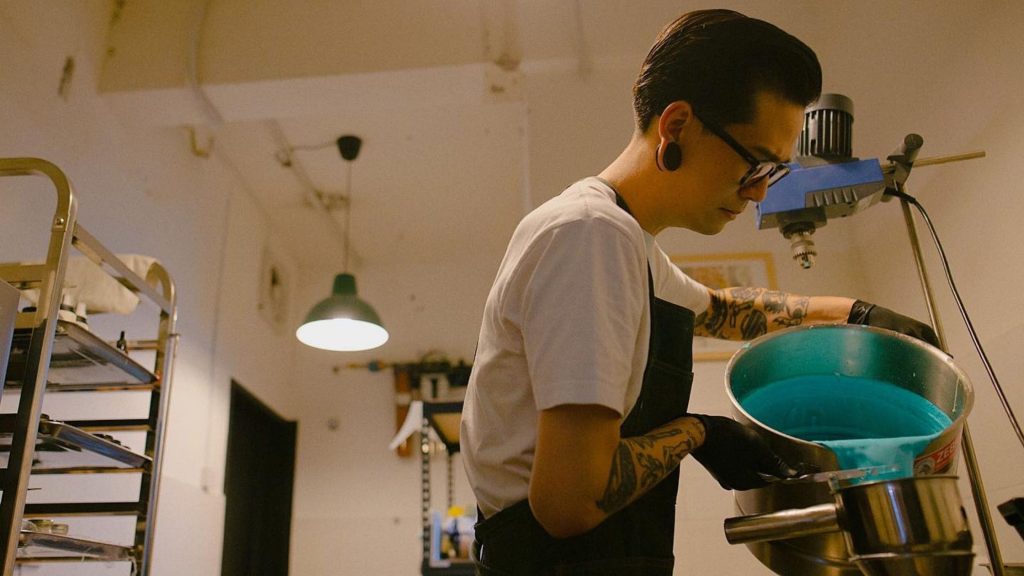
At Ooosh!™, they offer free consultations and really make you feel comfortable getting all the information. The consultants are super chill—they’re like, “If you want to do it, great. If not, that’s fine too.” They’re happy to explain everything, tell you to take your time, and never push or hard sell. The people running the place feel like everyday, normal folks—you can just be yourself around them.
I’ve been telling my clients about Ooosh!™. Some of them can only get a “bald fit” haircut—a number 1 or 2 on top—because their hair is so fine and thinning. And some are still waiting until it gets worse. But I would say that hair loss can always get worse and it will get worse. So the earlier you do something about it, the better. There’s nothing to lose. For me personally, when my colleagues started teasing me, I felt like it was time to take action and at least get a consultation.
I’m 35 now, and I realize that one of the quickest ways to look older than you are is through hair loss. Everyone wants to feel youthful—have fun, play, enjoy life. Feeling youthful doesn’t come with age, you can be 70 and still do that. But hair loss can steal that from people. I felt a bit of that myself—I started to feel older than I actually was. I felt like I needed to be more “age-y” than people. Not edgy, age-y. And that’s like the complete opposite. I felt like I was losing my age (pun intended). Because hair loss makes you feel like you’re losing a part of yourself that isn’t really gone.
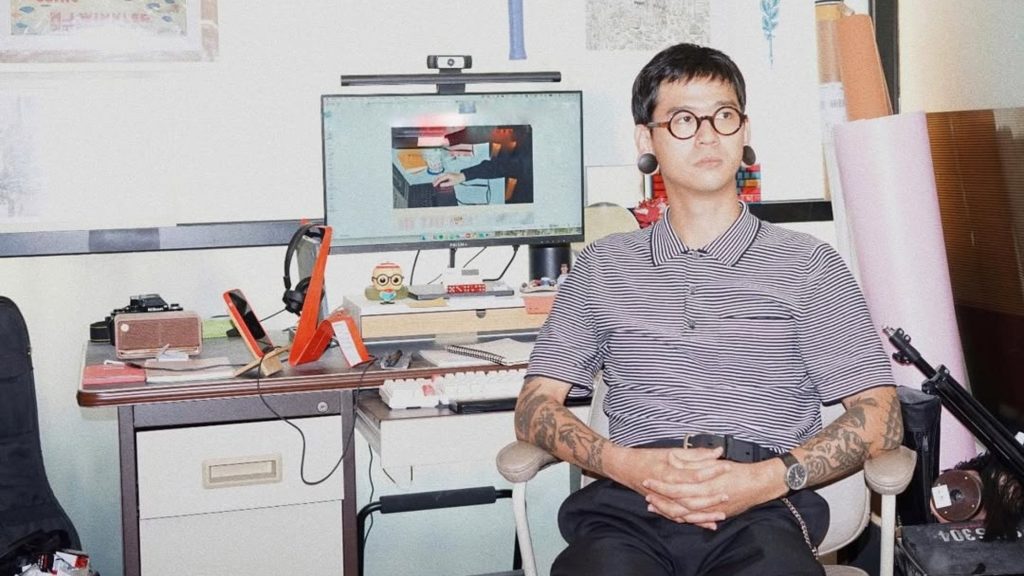
I think being able to laugh at ourselves is really important. I could laugh at myself for losing hair, and my friends were laughing at me too. But because I had already accepted it, it didn’t feel heavy or shameful. That acceptance made it easier for me to go and get a consultation about my hair loss. It took the weight off—both from myself and from other people’s opinions.
When you can laugh at yourself first, it doesn’t matter if others laugh too, because you’re already there. I’ve realised that the people who judge others the least are usually the ones who judge themselves the least. And those are often the same people who can look in the mirror and laugh at themselves.
Once I could laugh about my hair loss, I could also face it honestly. I could accept that I was balding—and that’s when I was able to do something about it. If I had stayed in denial, telling myself, “It’ll be fine, it’ll be okay,” I probably would never have gone for treatment, and I would have continued to lose my hair.
My name is Kevin and I enjoy laughing at myself in the mirror. It’s a reminder that you don’t always have to take yourself so seriously. And this is my Ooosh!™ story.